Aesthetic Dermatology
Skin Diseases in Children
Hand, Foot, and Mouth Disease (HFMD)
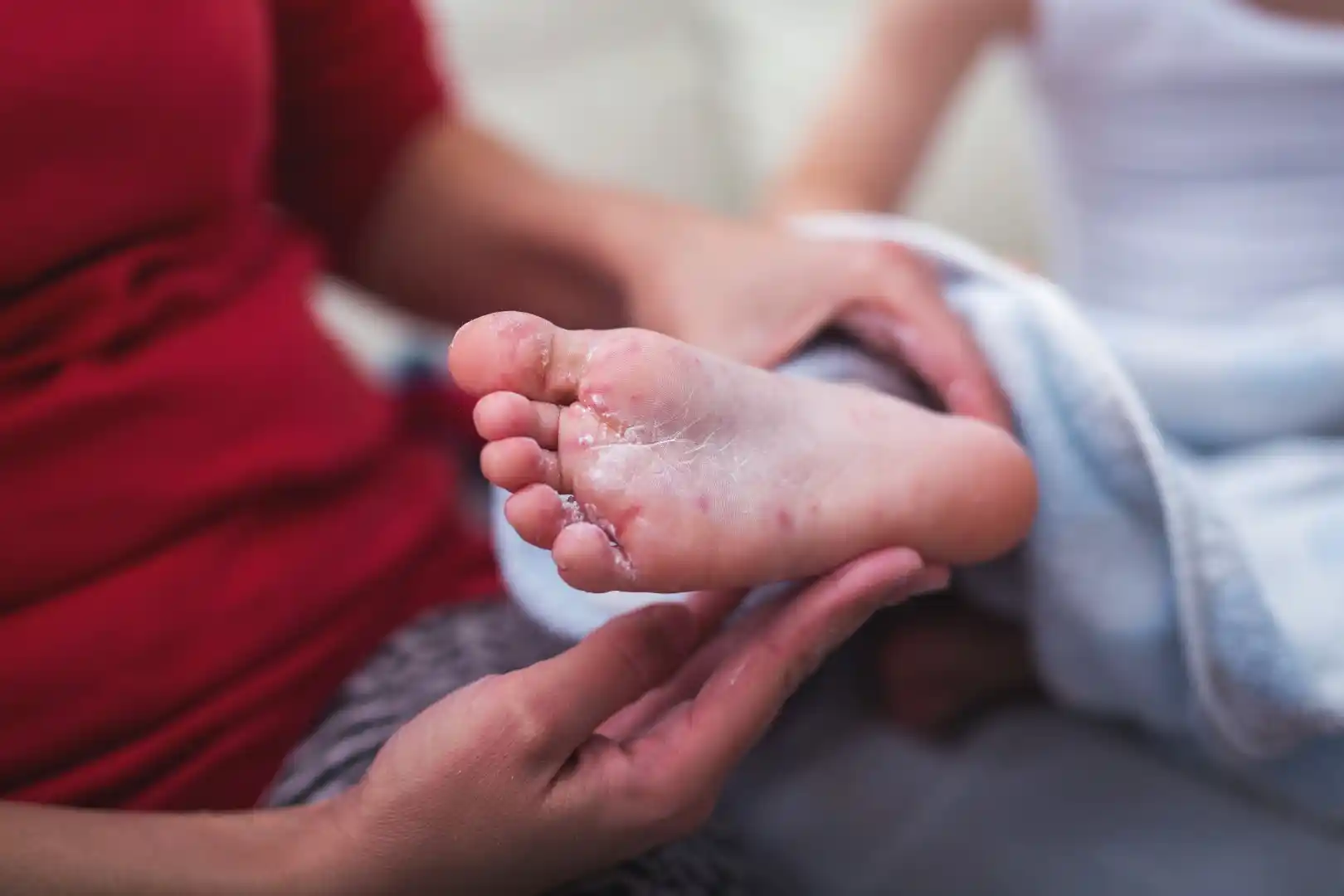
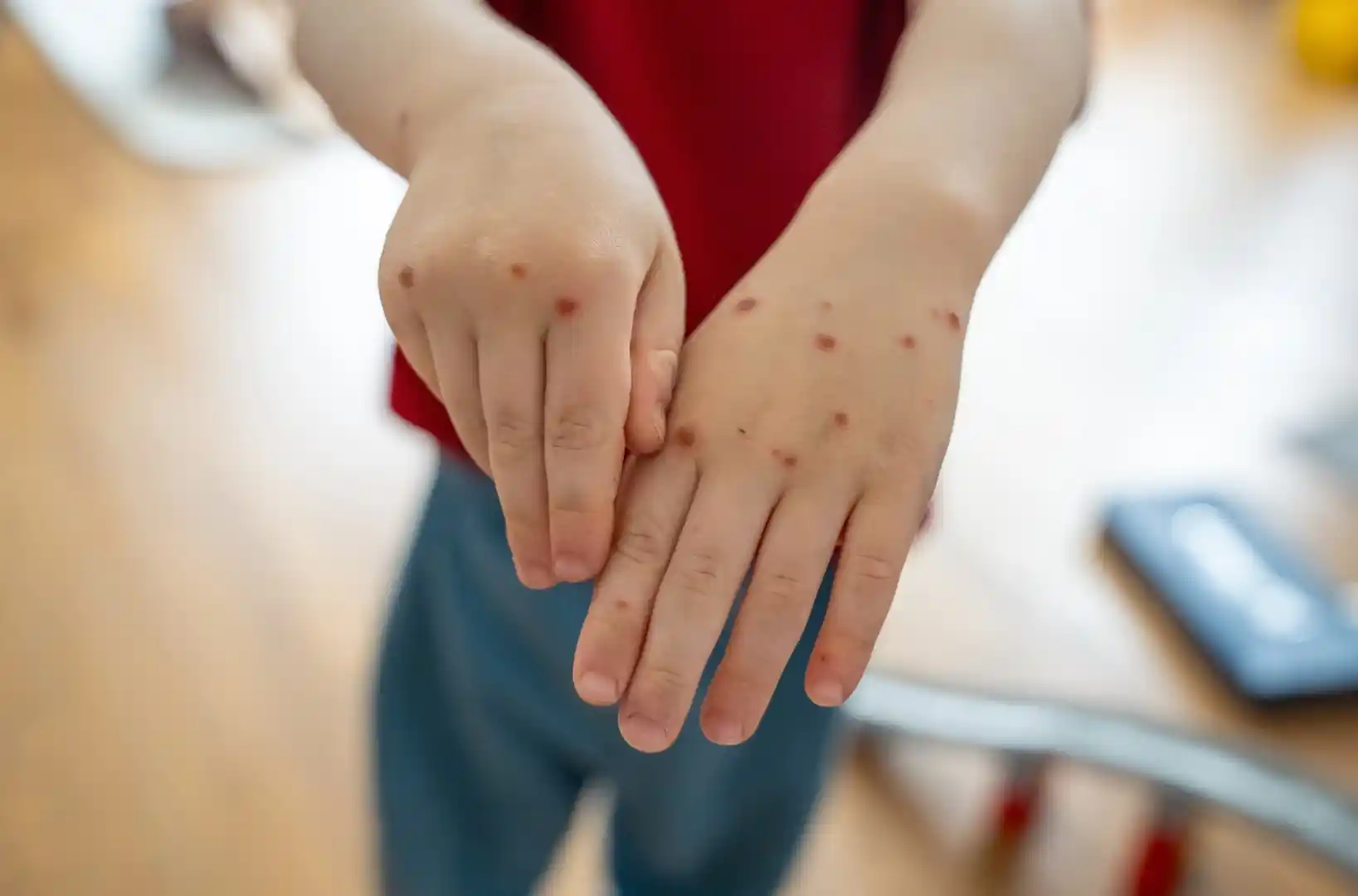
A contagious illness, more common in summer, usually caused by Coxsackievirus A16.
It begins with fever, followed by small vesicles and erythematous lesions in the mouth, on the palms, and on the soles (rarely on the buttocks/genital area).
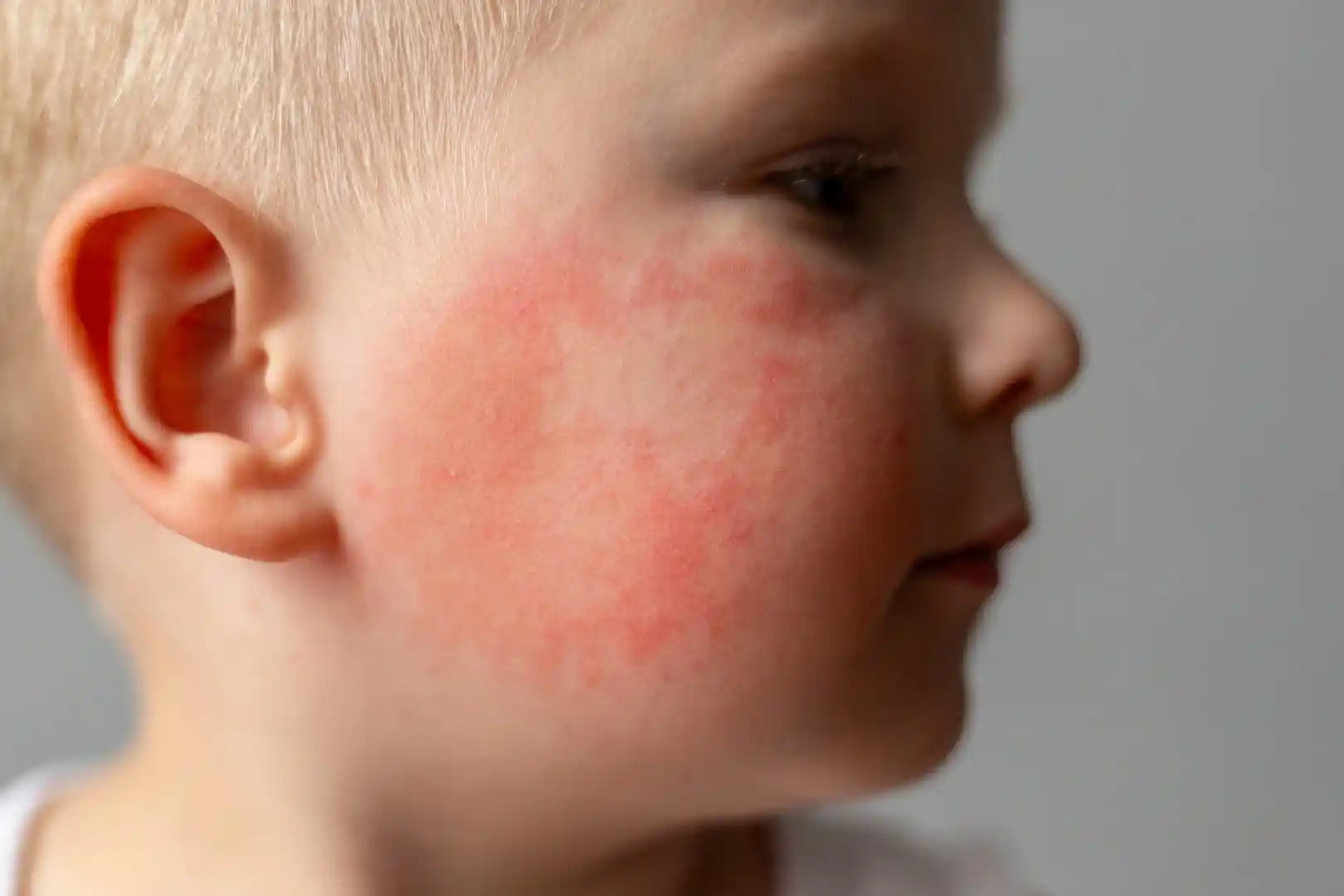
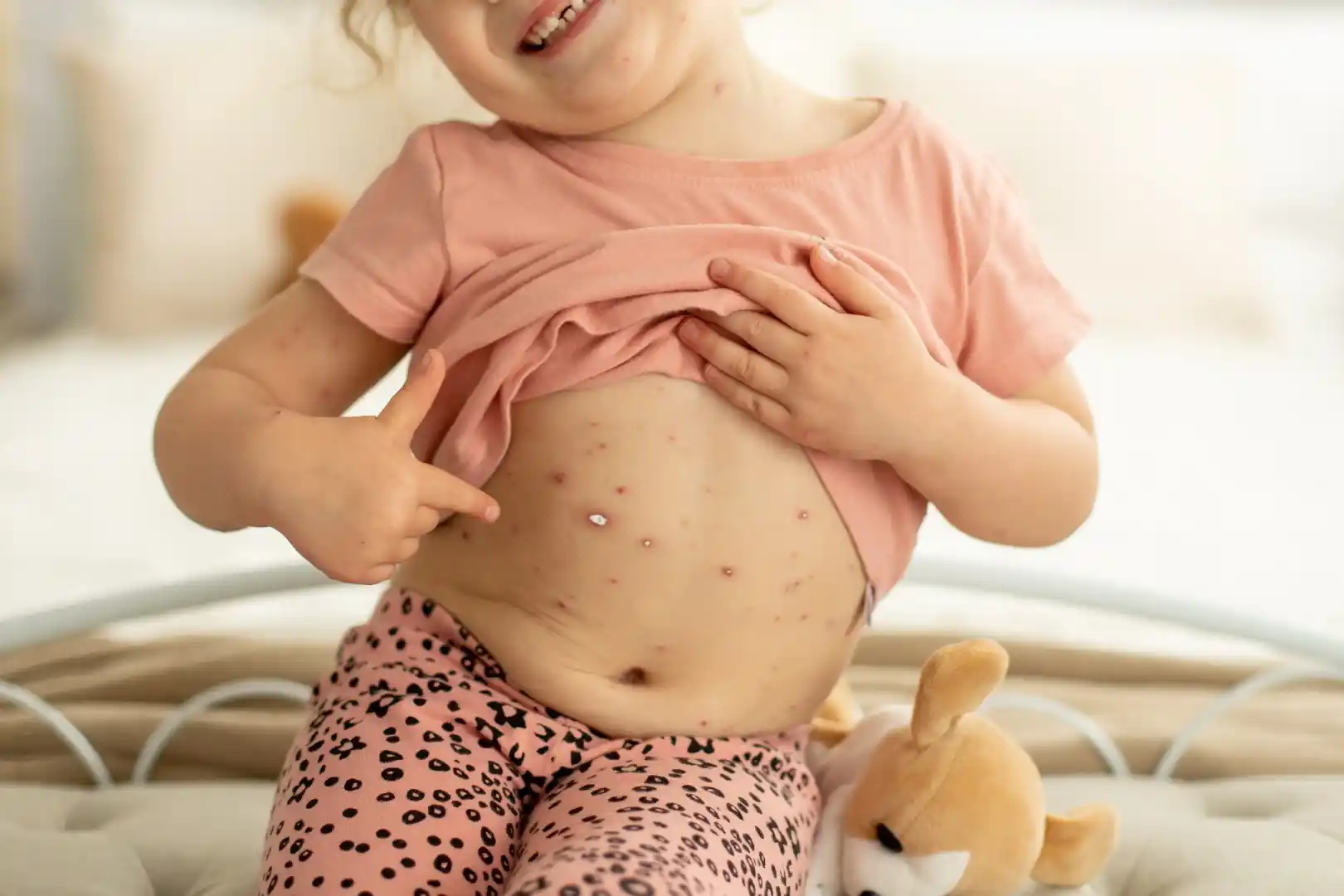
Fifth Disease / Measles / Varicella (Chickenpox)
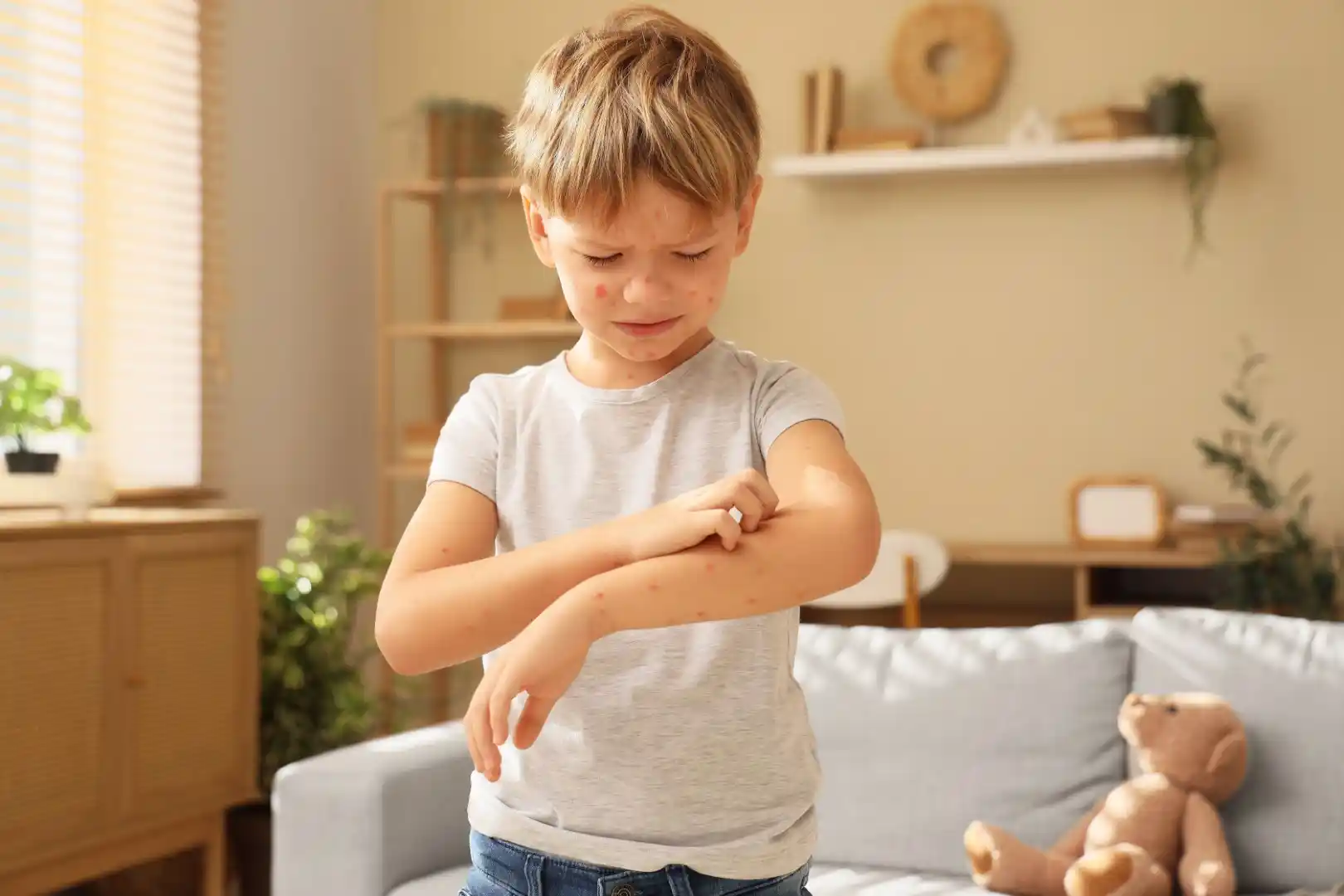
Viral illnesses that initially present with mild cold-like symptoms and are followed after several days by a characteristic rash.
Impetigo
A common superficial bacterial skin infection in preschool children, especially during warm summer months. It may begin on the face (often around the nose).
It spreads when bacteria are transferred from infected skin to a new area. Lesions resemble erosions with an erythematous base, may coalesce, often rupture, and develop a honey-colored crust. Pain and pruritus are common.
Pediculosis
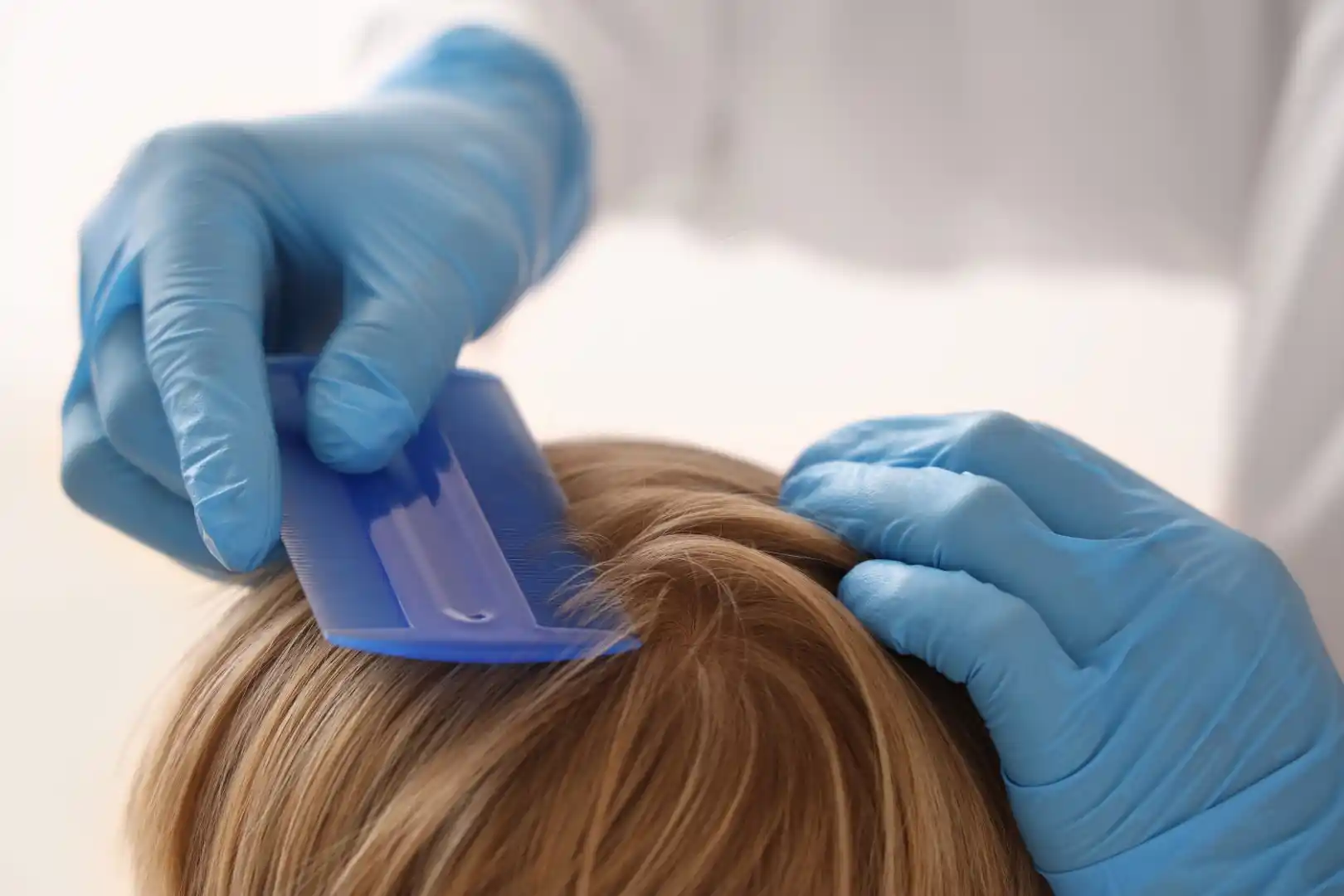
Three clinical forms (capitis, corporis, and pubis), caused by different lice species. These contagious parasitic conditions have increased incidence and may be complicated by local or systemic bacterial infections.
Diagnosis is usually clinical. Treatment with pediculicides requires precise instructions and compliance by the patient and close contacts.
Molluscum Contagiosum
Typically presents with small, round, shiny papules with a characteristic central umbilication. Symptoms are usually mild, but cosmetic concern and risk of transmission often prompt medical evaluation.
The most common symptoms include:
- Small, round, shiny buds (like pimples), with a characteristic central depression.
- Secondary inflammation or erythema can develop if lesions are scratched or manipulated.
- Secondary bacterial infection may cause pain, purulent discharge, or localized swelling and warrants prompt medical assessment.
Lesions are usually painless but may cause discomfort, especially in children. Lesions may be solitary or clustered and, if untreated, can persist for weeks to months.
Viral Warts (Verrucae)
Very common in childhood, especially in children who attend swimming pools. Caused by human papillomaviruses (HPV), which can persist on surfaces and are easily transmitted.
Prompt treatment may be required with keratolytic/caustic agents, cryotherapy, electrocautery, or lasers.